

The Seeds
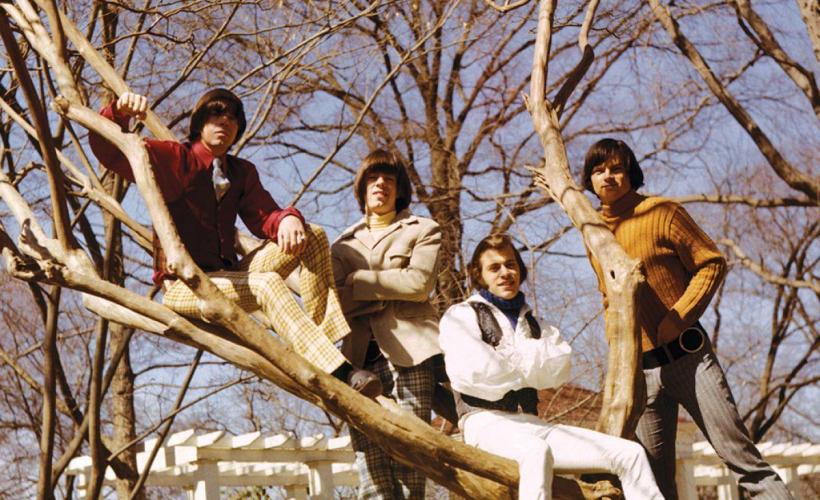
The Seeds are a Los Angeles garage rock band formed in 1965 and active from 1965 to 1972, with later reunions and continued activity. Their sound spans garage rock, acid rock, blues rock and psychedelic rock, and they are often described as an influential proto-punk group. The original line-up centres on singer Sky Saxon, keyboardist Daryl Hooper, guitarist Jan Savage and drummer Rick Andridge, with Bob Norsoph and Don Boomer later replacing Savage and Andridge in a renamed version of the group. Saxon is the only constant member across the band’s history.
Formation and early line-up
Sky Saxon is the lead singer and public face of the group. Before The Seeds, he records a few 45 rpm singles under the name Richie Marsh, and he is based in Los Angeles from the early 1960s after being born in Salt Lake City. The Seeds form in 1965 when Saxon joins in response to an advertisement. Daryl Hooper becomes a major part of the group’s sound, and the band is among the first to use keyboard bass. Although Saxon is often credited as the bass player, he does not play bass on the band’s recordings; session musicians, usually Harvey Sharpe, handle that part, while Hooper covers bass lines on stage on a separate bass keyboard.
Singles and albums
The Seeds’ first single, “Can’t Seem to Make You Mine,” becomes a regional hit in southern California in 1965 and also receives regular airplay on AM rock radio in northern California. The group’s only national Top 40 hit is “Pushin’ Too Hard” in 1966. Other singles include “Mr. Farmer” and “A Thousand Shadows,” which achieve more modest success, especially in southern California. Their first two albums are now regarded as garage rock classics. Later releases include Future from 1967, which moves into full psychedelic rock and uses ornate flower-themed artwork, and a blues-oriented album with liner notes by Muddy Waters. Raw and Alive at Merlin’s Music Box appears shortly before the original band dissolves.
Line-up changes, dissolution and later activity
By the late 1960s, the group’s commercial profile declines and the line-up changes. In 1969 the band is renamed Sky Saxon and the Seeds. Saxon continues to use The Seeds name with various backing musicians at least through 1972, and the last major-label new material by the band appears on two non-charting MGM singles in 1970. After the original group ends, Saxon joins the Yahowha religious group, inspired by Father Yod, and takes part in related projects including Fire Water Air’s Golden Sunrise and the Yod Ship Suite album. In the 1970s he also releases solo material under the names Sunlight and Sunlight Rainbow.
Reformations and tributes
In the 1980s, Saxon collaborates with acts including Redd Kross and The Chesterfield Kings. He reforms the original Seeds in 1989 for “The Summer of Love Tour,” alongside Big Brother and the Holding Company, Arthur Lee and Love, The Music Machine and The Strawberry Alarm Clock. The band lies dormant again until 2003, when Saxon brings it back with Jan Savage and new musicians. Savage leaves during the 2003 European tour because of health reasons, and Saxon remains the only original member while the group continues to tour in Europe and the United States.
Legacy
“Pushin’ Too Hard” is named one of the Rock and Roll Hall of Fame’s 500 Songs that Shaped Rock and Roll. The group’s raw sound, simple repetitive lyrics and use of keyboard bass help define their place in garage rock, while their work also links them to the wider development of psychedelic and proto-punk music.
forum Join the Discussion
Sign in to joinNo comments yet
Be the first to weigh in.