


Cabaret Voltaire
Cabaret Voltaire are an electronic and experimental group from Sheffield, United Kingdom, formed in 1973. The original line-up consists of Stephen Mallinder, Richard H. Kirk and Chris Watson. The group is named after the Zürich nightclub associated with the early Dada movement, and it becomes one of the key acts in the development of industrial music and related electronic styles.
Early work and Sheffield context
In its earliest period, Cabaret Voltaire uses DIY electronics, tape loops and Dada-influenced performance art. Chris Watson begins experimenting with electronic devices in the early 1970s with the aim of making “music without musical instruments”, influenced by Brian Eno. He works with Richard Kirk on tape loops and sound collages, while Kirk adds clarinet and guitar and Mallinder joins on vocals and bass. The group’s first live appearances are often confrontational and unconventional, and the rise of punk helps them reach a more receptive audience.
Watson helps establish Western Works studio in Sheffield in 1977. The studio becomes a creative base for the band and a recording space for other local acts including Clock DVA, the Human League and New Order. Early recordings are later collected on Industrial Records cassette 1974-1976 and Methodology '74/'78: The Attic Tapes.
Rough Trade years and wider recognition
The group signs to Rough Trade Records in 1978 and releases experimental singles and EPs such as Extended Play and Nag Nag Nag. Albums from this period include Mix-Up, Three Mantras, The Voice of America and Red Mecca. These releases draw critical attention and perform strongly on the UK Indie charts.
The band’s sound broadens during the post-punk era, taking in synthpop, techno, house and funk. Watson leaves in 1981, after which Cabaret Voltaire continues as a duo and tours internationally. The live album Hai! appears in 1982.
Commercial work, labels and later 20th-century releases
In 1983 the duo works with producer John Robie on a remix of “Yashar”. Under a deal with Some Bizzare and Virgin Records, Cabaret Voltaire releases The Crackdown, which reaches number 31 on the UK Albums Chart. Later releases include Micro-Phonies, with the singles “Sensoria” and “James Brown”, along with Gasoline in Your Eye, Drinking Gasoline and The Covenant, the Sword and the Arm of the Lord.
The group then signs to EMI and releases Code in 1987. This period includes production work by Adrian Sherwood and contributions from Bill Nelson and Mark Brydon. The band faces financial and logistical problems, including the closure of Western Works and increasing geographical separation between the members.
Solo activity, revival and final releases
From 1988 to 1994, the members pursue solo and collaborative projects shaped by house and techno. Mallinder records under Love Street, while Kirk records under Wicky Wacky and Sandoz. Cabaret Voltaire’s releases from this period include Groovy, Laidback and Nasty, Body and Soul, Colours, Plasticity, International Language and The Conversation.
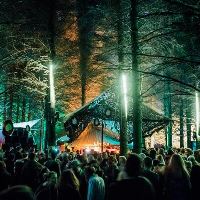
Mallinder moves to Perth, Australia in 1995. Kirk revives the Cabaret Voltaire name in 2009 as a solo project, with releases including Kora! Kora! Kora! and National Service Rewind. The project appears at Berlin Atonal, Incubate and Dekmantel using a machine-based setup with visuals. Cabaret Voltaire later releases Shadow of Fear, followed by Shadow of Funk, Dekadrone and BN9Drone, with Kirk as the sole member during this period. Kirk dies in 2021.
Reunion activity
Mallinder and Watson later announce a 50th anniversary performance as part of the Sensoria Festival in Sheffield, and the act is also associated with a final UK tour and a live album drawn from that tour. Cabaret Voltaire remains an influential name in industrial, post-punk and experimental electronic music.
forum Join the Discussion
Sign in to joinNo comments yet
Be the first to weigh in.